Why Inflatable Bunkers Are the Best Solution for Modern Laser Tag Arenas
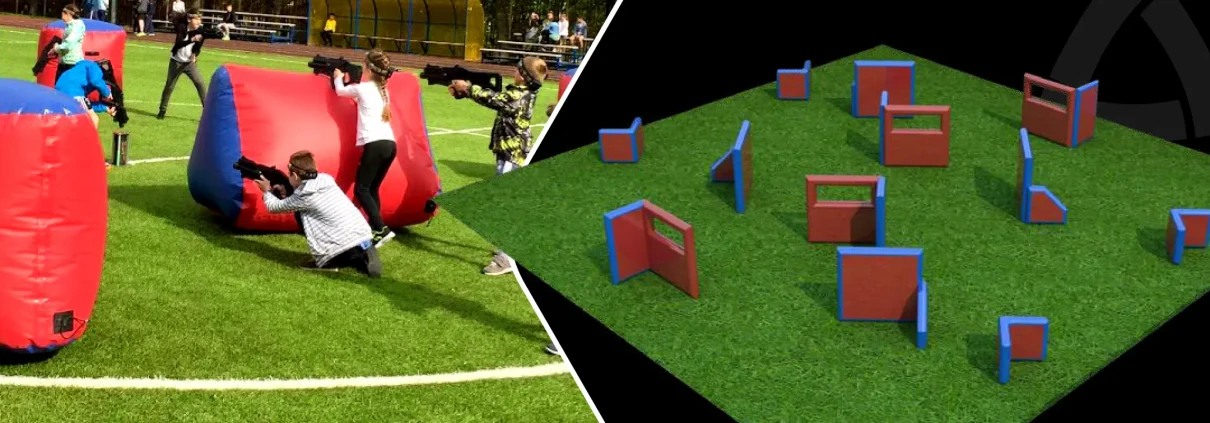
Fixed places for organizing an entertainment business, such as indoor or outdoor laser tag arenas, are not the final option. The ability to expand or adapt your business for mobile is a real find for entertainment business owners. Thanks to inflatable bunkers, mobility, quick deployment of the playground almost anywhere, and the ability to adapt the playing field to the needs of the client, audience, and features of the event, you can build a profitable business in a matter of months.

Without being tied to a place in a shopping center or land plot, you can deploy your mobile laser tag business in the park on Saturday, and on Sunday work with a corporate party in the gym. The static format is simply unable to satisfy such demand, so inflatable bunkers and a set of laser tag equipment from LASERTAG.NET close this gap, opening up the opportunity for businessmen to start their own business or expand an already running business.

What Inflatable Bunkers Actually Are

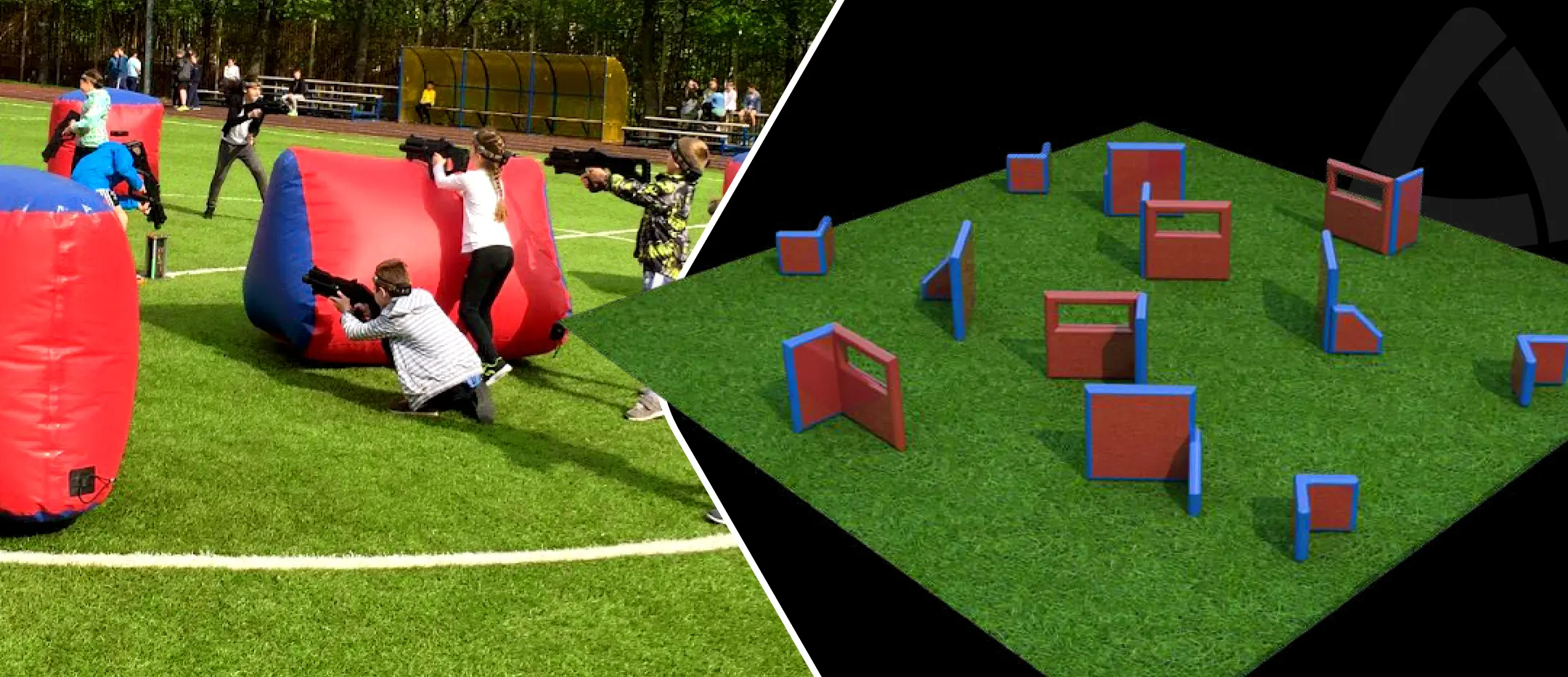
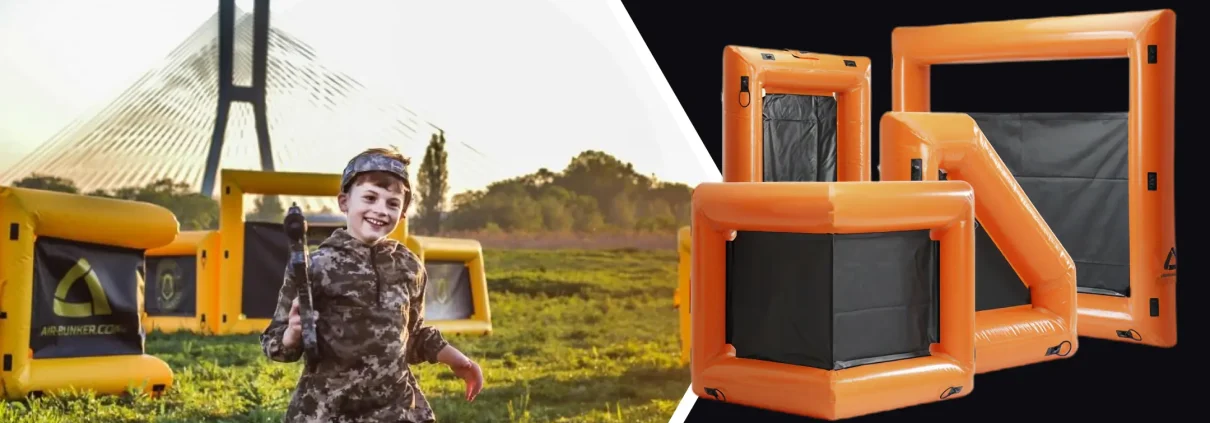
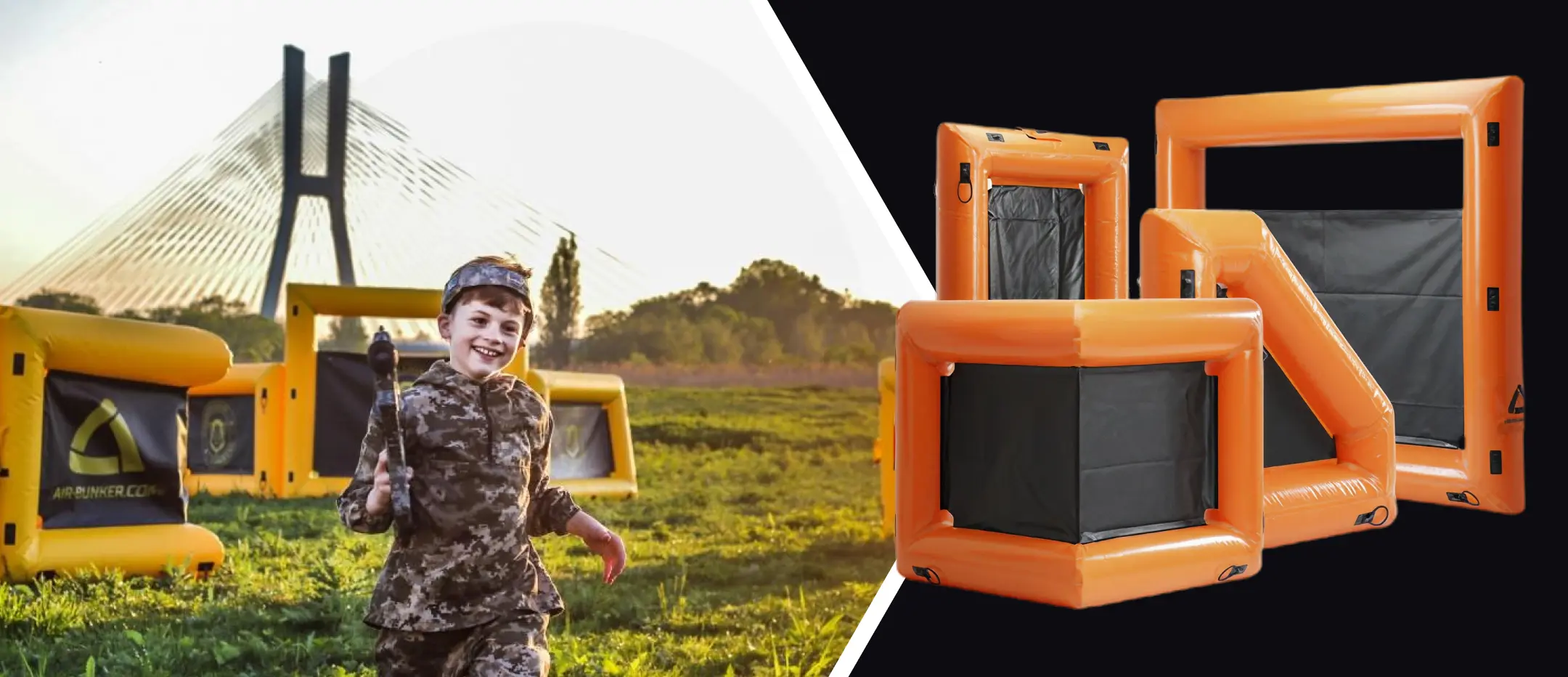
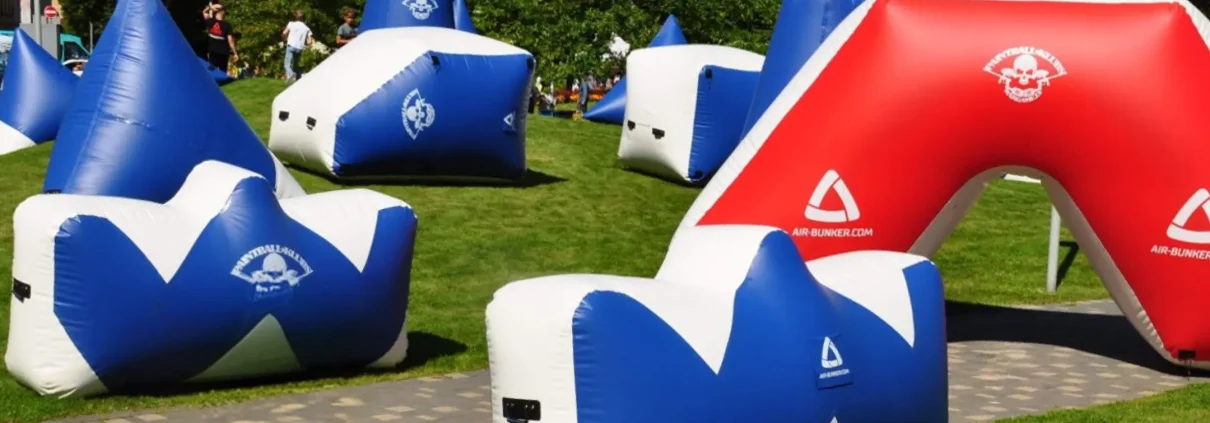
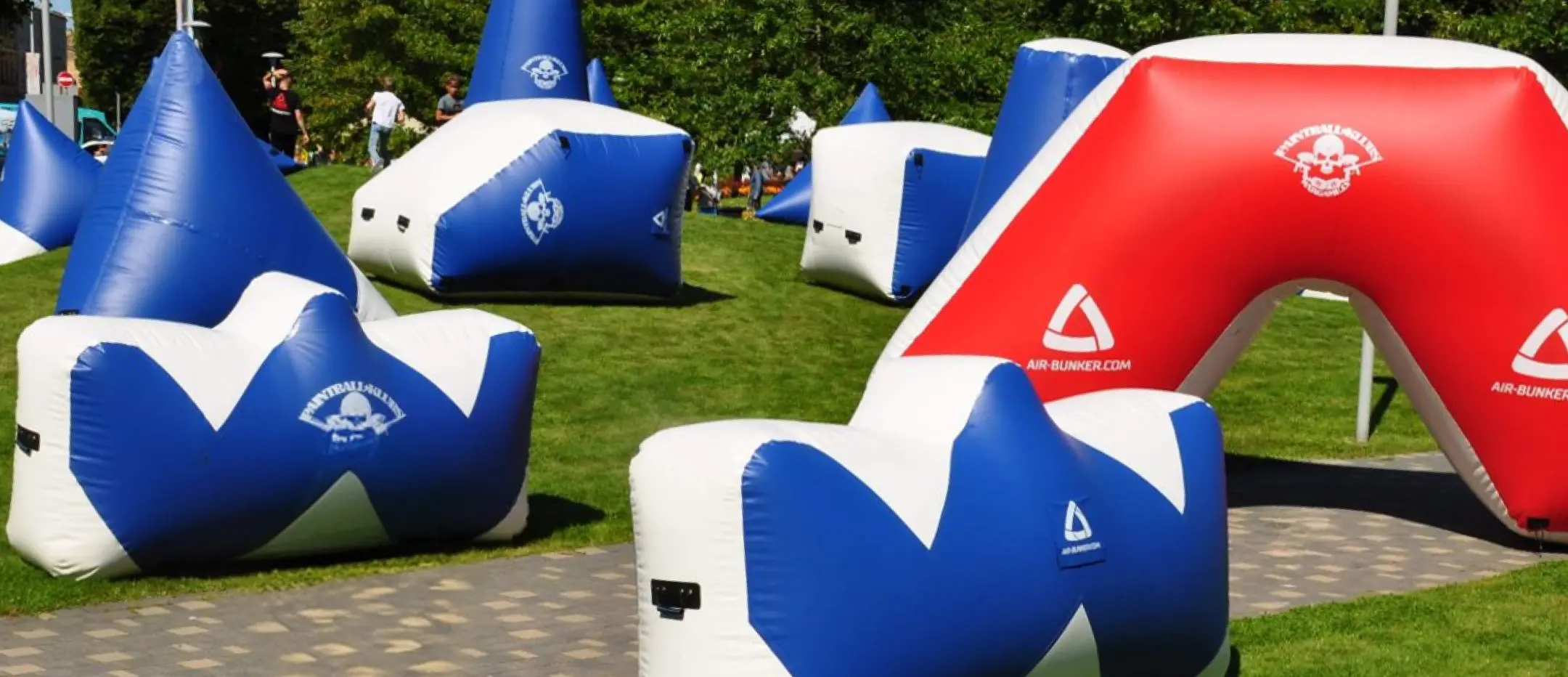
What are inflatable bunkers? These are tactical elements of the playing field, made of reinforced PVC. They perfectly retain their shape for years under the pressure of weather conditions, sun, dirt, and impacts during the game. They are not just arena decorations; they are designed for many years of active use, transportation, and the harsh conditions of laser tag games.

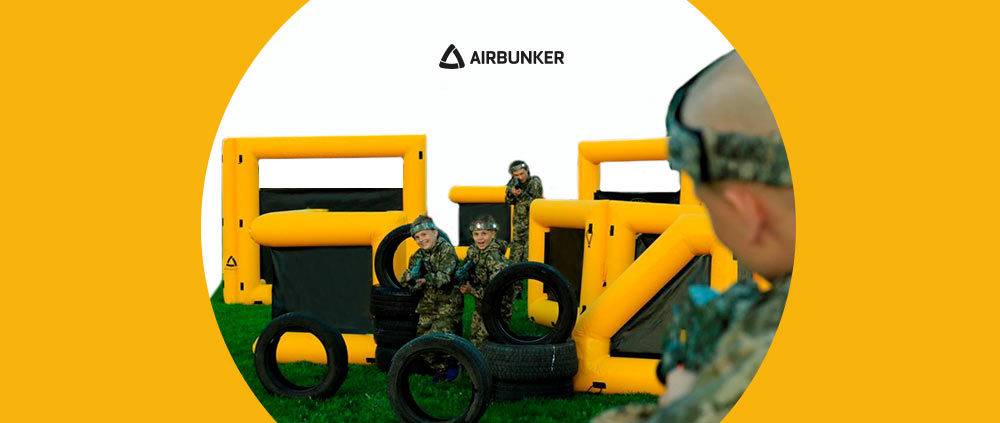
Inflatable bunkers from AIRBUNKER work as static shelters, just as if they were shelters made of wood or plastic. The only difference is that inflatable bunkers are not static objects; they can be rearranged around the field, changing the dynamics of the game and introducing surprise for players between game sessions. And most importantly – mobility: having played a game, glassed the bunkers, and moved to a new place for a new event.

If we compare traditional obstacles on the playground with inflatable ones, the difference is in the complexity of installation and changing the format of the playing field.

Why Operators Move to Inflatable Formats

Running a modern laser tag arena today is less about the location and more about how often you can run sessions. Inflatable arena solutions directly impact this metric.

They allow operators to:

  • Launch games without construction work.
  • Adjust field layouts between sessions.
  • Run events at client locations without logistics overhead tied to fixed infrastructure.

Modular arena solutions also change how fields are designed. Instead of one static layout, operators build configurations based on audience size, game type, and available space.

Key Advantages of Inflatable Arena Equipment

  • Fast deployment: a functional field can be set up in under an hour with a small team.
  • Mobility: portable arena equipment fits into standard transport, removing dependency on trucks or storage facilities.
  • Lower fixed costs: No need to rent permanent space, reducing financial pressure.
  • Durability: PVC structures are designed for long-term commercial use with regular traffic.
  • Flexible planning: Temporary arena structures can be reconfigured between sessions without downtime.

AIRBUNKER by NETRONIC: Commercial-Grade Build

AIRBUNKER is designed as equipment for operators who run events continuously, not occasionally. The construction uses 0.55 mm PVC tarpaulin with heat-welded seams and reinforced attachment points.

From a practical standpoint, this means:

  • The structure holds shape during active gameplay.
  • It tolerates frequent packing and transport.
  • Maintenance can be handled on-site without specialized tools.

The same set of inflatable bunkers for laser tag can be used across different formats, including tactical games, entertainment events, and training scenarios.

Configuration Types and Field Design

  • Sports sets: symmetrical layouts for tournaments and high-throughput sessions.
  • Tactical configurations: flexible fields for scenario-based gameplay.
  • Tactical W series: wider elements for more complex positioning.
  • Drone racing shapes: adapted for FPV tracks and visual routing.

These configurations rely on modular arena solutions, allowing operators to scale fields without redesigning the entire setup.

Gameplay Impact and Field Dynamics

Field design directly affects player behavior. With inflatable bunkers, layouts can be adjusted to control movement, sightlines, and engagement zones.

In this context, laser tag obstacles are no longer static barriers. They become tools for scenario design. A modern laser tag arena built with inflatable elements can shift from fast-paced matches to tactical gameplay simply by changing bunker placement.

This flexibility is difficult to achieve with fixed constructions.

Business Model: Mobility and Revenue

The financial model behind inflatable arena solutions is straightforward. Revenue depends on the number of events, not the location.

Operators can:

  • Run games at client sites.
  • Avoid long-term rental commitments.
  • Increase session frequency within the same timeframe.

Temporary arena structures enable operations at multiple locations within a single week. This directly impacts turnover and reduces idle time between bookings.

Ready-to-Launch Business with LASERTAG.NET

AIRBUNKER, in combination with LASERTAG.NET equipment, is not positioned as a set of devices. It is a structured launch format for operators who need to quickly start conducting sessions without having to rebuild processes from scratch.

The key point here is operational readiness. The system already includes the core elements required to run games, manage players, and control sessions. There is no gap between “equipment purchased” and “service delivered.” In practice, this shortens the path to first revenue.

What does this change for the operator? Instead of assembling different components and testing compatibility, you start with a setup that is already aligned: gameplay logic, field structure, and control systems work together.

You get:

  • Configurations for 10 or 20 players, which directly define your session capacity and pricing model.
  • Integrated game management systems that handle scripts, scoring, and session flow
  • without manual coordination.
  • An expandable field structure based on inflatable arena solutions, allowing you to grow without replacing the core system.

This format is especially relevant for mobile operations, where time between events directly affects revenue. A delayed setup or unstable system means lost bookings. Here, the setup is predictable.

Equipment Sets Overview

The difference between the standard and premium sets is not just quantity. It affects how many parallel engagements you can run and how you structure gameplay.

Equipment Standard Set Premium Set
Falcon F1 Premium x5 x10
Falcon F2 Premium x5 x10
Headbands x10 x20
Sirius x2 x4
Domination Box x1 x2
Wi-Fi Router x1 x1
Smart Remote Control x1 x1
Powerbank x1 x1

With a capacity of 10 players, the focus is on smaller sessions and tighter rotation. The 20-player layout supports larger groups, corporate events, and higher daily throughput. This directly impacts the revenue from each booking.

Inflatable vs Fixed Structures

When comparing inflatable bunkers to fixed arena builds, the difference is not only technical. It changes how the business operates on a weekly basis.

Criteria Inflatable bunkers Fixed structures
Setup time 30–60 minutes Several days
Mobility High (multiple locations per week) None
Cost structure Variable, tied to events Fixed overhead (rent, utilities)
Field flexibility Adjustable per scenario Limited, predefined layout
Expansion Add modules when needed Requires reconstruction

From a practical standpoint, inflatable bunkers shift the revenue model from location-based to event-based. That means you are not limited by one venue’s capacity.

A fixed arena can run a limited number of sessions per day. A mobile setup, using portable arena equipment, can run sessions wherever demand exists. This is where most operators see the difference — not in theory, but in weekly booking volume.

Deployment and Operations

  • Setup time depends on layout complexity but typically takes about 1 hour.
  • A two-person team is enough for deployment and teardown.
  • Transport is simplified due to compact packaging.
  • Maintenance includes cleaning, drying, and minor repairs when needed.
  • Portable arena equipment reduces operational friction and allows more events per week.

ROI and Cost Structure

Factor Impact
No rent Reduces fixed costs
Fast deployment Increases daily sessions
Reusability Extends equipment lifecycle
Mobility Expands client base

Using inflatable bunkers for laser tag, operators typically reach payback within several months, depending on event frequency.

Branding and Customization

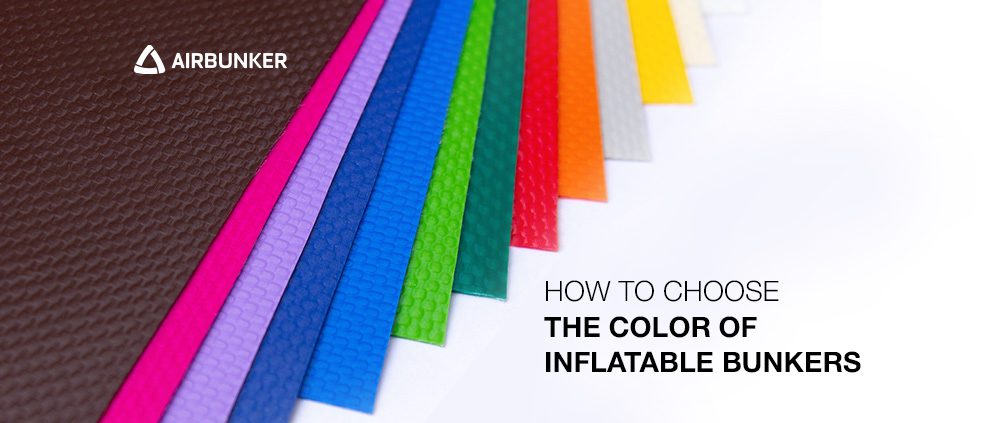
AIRBUNKER supports visual customization through color selection and logo placement. This matters in commercial use where the field becomes part of the client experience.

Both air-bunker and airbunker elements can be branded to match corporate identity or event themes. This adds a visual layer that standard fields usually lack.

Where Inflatable Arenas Work Best

  • Corporate events and team-building sessions.
  • Schools and educational programs.
  • Outdoor festivals and public events.
  • Private bookings and parties.
  • Tactical and training scenarios.

Temporary arena structures enable quick adaptation to each context without redesigning the core setup.

FAQ

What games can be played using inflatable bunkers (laser tag obstacles)?
Laser tag, paintball, Nerf, archeritag, and drone racing all work within the same field infrastructure.

How long does it take to set up a field?
A basic configuration takes around 30 minutes. Larger layouts may require up to one hour.

How durable are inflatable bunkers?
With proper maintenance, they operate for 10–14 years in commercial conditions.

Can the arena be branded?
Yes. Colors and logos can be applied directly to the material.

Is this suitable only for new businesses?
No. Existing venues use inflatable arena solutions to expand into mobile formats without changing their core operations.
Mobile Laser Tag with Inflatable Arenas: A Scalable Business Model for Events

A mobile format in event entertainment is no longer an experiment. It is a working commercial model with predictable economics, fast deployment, and clear demand across private and corporate segments.

Mobile laser tag with inflatable arenas fits into this logic precisely. It is not about equipment rental. It is about running events as a service – with control over the format, pricing, and client experience.

At its core, this model removes the main constraint of traditional entertainment businesses: location dependency.

What Is a Mobile Laser Tag Business?

The mobile laser tag business is built around on-site events. The operator does not wait for customers to arrive – the service is provided directly to the customer.

This includes private properties, schools, parks, corporate premises, or temporary event venues.

In practice, mobile laser tag with inflatable arenas means you can deploy a full-fledged playing field almost anywhere. No construction. No permits tied to a fixed location. No long installation cycles.

The operator sells time-based sessions, not access to the venue.

How the Mobile Event Model Works

The process is straightforward, although execution quality defines margins.

Step 1: Customer Orders the Game

A client books an event – typically a birthday, corporate activity, or team session. Duration usually ranges from 2 to 4 hours.

Step 2: Equipment Delivery

The operator transports the full kit: laser tag gear, inflatable bunkers, and control systems.

Step 3: Arena Setup with AIRBUNKER

The field is assembled on-site. Depending on the scale, setup takes 30–60 minutes.

Step 4: Running the Event

The operator develops game scenarios. Once completed, the equipment is packed and moved to the next location.

Simple on paper. Profitable in practice – if logistics and turnover are handled correctly.

Why Mobile Laser Tag Is a Scalable Event Business

The key advantage lies in replication and positioning as a low startup cost business.

A scalable event business does not depend on a single location or fixed capacity. Instead, it grows through the number of events executed per week.

This model allows:

  • parallel bookings across different locations
  • expansion by adding identical equipment sets
  • predictable revenue per session

The event entertainment business model here is based on turnover rather than foot traffic.

That distinction matters.

Key Advantages of Mobile Event Entertainment

Mobile entertainment events change the cost structure and operational logic.

  • No space rental or long-term lease
  • Flexible pricing depending on the type of client
  • Possibility of working in different cities or regions
  • Direct access to private and corporate clients
  • Lower entry threshold compared to stationary venues

For many operators, party entertainment services become the entry point. Later, corporate contracts and regular events became the main source of income.

AIRBUNKER: Inflatable Arenas as a Business Tool

Inflatable infrastructure is not just a visual element. It directly affects speed, scalability, and pricing.

Air-bunkers are designed specifically for commercial use, where equipment must withstand constant transport and repeated deployment.

What Is AIRBUNKER

AIRBUNKER is NETRONIC’s line of inflatable bunkers designed for tactical and entertainment operations. It allows operators to quickly build a physical arena either at their own venue or directly at the client’s location, providing flexibility for both permanent and mobile setups.

This is equipment for businesses that sell events, not just gear. The point is simple: faster setup, lower overhead, and a field that can work in parks, schools, corporate spaces, and other temporary locations.

Core Technical Features

The construction is based on 0.55 mm PVC tarpaulin with reinforced seams and load-bearing elements.

In operational terms, this means:

  • resistance to frequent setup cycles
  • tolerance to weather conditions
  • simplified cleaning and storage

Types of Inflatable Arenas

Different configurations support different business scenarios.

  • Sports layouts for tournaments and large-scale events
  • Tactical schemes for scenario games
  • Drone racing elements for additional monetization formats

Branding and Customization

Visual identity plays a role in the corporate segment.

Custom colors and logos allow the arena to serve as part of the event branding, thereby increasing perceived value and supporting higher pricing.

Equipment Required to Launch a Mobile Laser Tag Business

A complete setup includes more than markers and vests.

Typical configuration:

  • laser tag units (10–20 players)
  • headbands and control modules
  • scenario management system
  • inflatable bunkers (basic or extended set)
  • transport and repair kits

In practice, the operator buys a working system, not separate components.

Startup Costs and Investment Breakdown

From a financial standpoint, this falls into the low startup cost business category compared to location-based entertainment.

  • Entry level: around 14,000 USD
  • With inflatable arenas: approximately 19,000 USD

The difference is not cosmetic. Inflatable air-bunkers directly impact pricing and event perception.

Revenue Model and Profitability

Revenue is tied to event duration and group size.

Average Check per Event

A typical 3-hour session for 10–12 players generates 300–900 USD.
Inflatable arenas increase this by 20–40% due to perceived scale and structure.

Payback Period

Based on operator data, payback averages around 9 months.
In some cases – faster, depending on booking density.

ROI Drivers

  • high frequency of events
  • minimal fixed costs
  • reuse of the same equipment
  • upselling extended scenarios and larger fields

There is no single “magic factor”. Profitability comes from a consistent load.

Logistics: Transport, Setup, and Operations

Mobility defines efficiency.

A full set of inflatable bunkers and equipment fits into a standard vehicle. For example:

  • sedan class – one field
  • SUV – two fields
  • pickup – extended configurations

Setup is handled by a small team. In many cases – two people are enough.

Time matters here. Faster deployment means more bookings per day.

Scaling the Business: From Solo Operator to Network

Growth follows a simple path.

First – one kit, local market, weekend bookings.
Then – additional sets, parallel events, broader geography.

Eventually, operators build networks covering multiple cities or regions.

The scalable event business logic remains unchanged. Only volume increases.

Use Cases: Who Orders Mobile Laser Tag Events

Demand is diversified, reducing dependence on a single segment.

  • private clients (children’s parties, birthdays)
  • corporate teams (team building, HR events)
  • schools and camps
  • outdoor festivals and public events

Each segment has its own pricing logic and expectations.

Integration with Existing Event or Entertainment Businesses

For existing operators, this is not a replacement. It is an extension.

Laser tag arenas, paintball clubs, event agencies – all can add a mobile format.

This allows:

  • handling overflow demand
  • entering new markets without new locations
  • increasing equipment utilization

In other words, one operational system generates multiple revenue streams.

FAQ

How much investment is required to start?
Around 14,000 USD for a basic setup, or about 19,000 USD if inflatable arenas are included.

What is the typical payback period?
On average, around 9 months, depending on event frequency and pricing.

How much can one event generate?
A standard session brings 300–900 USD, with higher checks when inflatable arenas are used.

How long does one event take?
2–4 hours for gameplay, plus about 1 hour for setup and dismantling.

Who are the main clients?
Private customers, corporate teams, schools, and event organizers.

Inflatable Bunkers for Laser Tag: How to Build a Flexible Arena Anywhere

Inflatable bunkers are a practical part of a laser tag business, not a decorative extra. They help turn open space into a working game zone fast, and that matters when the service model depends on speed, mobility, and repeatable setup.

For operators, the real value is simple. A field that is easy to build is easier to sell. A field that is easy to move is easier to scale. That is why inflatable bunkers should be viewed as part of the commercial toolkit, not just as a visual element.

Why inflatable bunkers matter for business

A laser tag operator rarely works with a single permanent format. Events change, venues change, player numbers change. In that context, inflatable bunkers provide structure to the game without locking the business into a single location.

They are useful for corporate events, schools, camps, outdoor entertainment zones, and temporary game sites. They also support a stronger product presentation. When the buyer sees a complete field concept, the offer becomes clearer and easier to justify.

That is where inflatable arena setup starts to matter. It gives the operator a repeatable way to organize space and deliver the service on demand. It also makes the equipment package look more professional to a client.

Halim Behroz, Business Development Representative (Europe & Middle East) at NETRONIC, observed: Mobile laser tag with inflatable bunkers is no longer just a set of products. It is a full business model. It lowers the entry barrier, expands the range of possible venues, and helps operators monetize each equipment package more effectively.

AIRBUNKER as a field tool

AIRBUNKER serves as a field-building element for commercial laser tag operations. It helps define cover, shape movement, and keep the game readable for players and staff.

In practice, this matters because a business needs more than just hardware. It needs portable arena solutions that can be deployed without complex preparation. AIRBUNKER fits that need well, especially when the operator wants to run events in different locations.

The same logic applies to sales. When the equipment package includes bunkers and player gear, the offer becomes easier to position as a complete service. That is stronger than selling isolated items one by one.

What the system solves

The value of inflatable bunkers is practical, not abstract.

  • They create tactical cover.
  • They help control player movement.
  • They make the battlefield easier to read.
  • They reduce dependence on fixed infrastructure.
  • They support faster event launch.

This is especially important for teams that handle mobile events. A field that sets up quickly and works in different locations has direct commercial value. It gives the operator more booking flexibility and less operational friction.

That is why many businesses treat this format as part of a broader modular arena design. The layout can change, but the operating logic stays the same.

Setup logic in real use

A good arena must be simple to deploy. If setup becomes a problem, the business loses time, energy, and margin. That is why the setup process should stay lean and predictable.

A standard inflatable arena setup usually includes space selection, bunker placement, lane planning, and checking the balance between cover and open lines. Nothing excessive. Just enough structure to keep the game clean and easy to run.

This model works well for temporary events and recurring bookings. It also helps staff prepare the field without unnecessary delays. In commercial terms, that means less downtime and more paid game time.

Indoor and outdoor formats

Inflatable solutions are flexible because they work in different environments. Indoors, they help organize compact spaces and make the most of limited square meters. Outdoors, they create a field that can be launched in parks, fields, event grounds, or other temporary spaces.

That is why outdoor arena equipment and indoor portable arena solutions should be treated as part of a single system. The operator can adjust the field for the venue without changing the basic service model.

This flexibility is especially useful for businesses that serve different customer segments. The same equipment can support a children’s event, a corporate game, or a seasonal outdoor program. That makes the investment easier to justify.

Mobile laser tag as a business model

Mobile laser tag is not just a format. It is a business model built around movement, speed, and service packaging. AIRBUNKER supports this model by making the field itself portable.

When the operator can move the game to the client, the venue is no longer a fixed limitation. That opens the door to more contracts and more locations. It also makes the offer easier to explain to clients who want a turnkey solution rather than a one-time product purchase.

In this context, inflatable obstacle course setup is a useful reference point. The same operational principle applies: build fast, run the event, pack down, move on. The difference is that laser tag adds the tactical layer and the equipment ecosystem around it.

Halim Behroz remarked: “For mobile laser tag, inflatable bunkers are not a decorative add-on. They are a working tool that helps operators quickly build a playable field, adapt it to different locations, and keep the game structure clear. That is exactly why this format works so well in a commercial setting: the operator gets flexibility, and the client gets a ready-made game experience.”

How to position the offer

If the goal is to sell laser tag equipment, the field elements should be presented as part of a revenue tool. The customer is not buying air-filled shapes. The customer is buying a working format that supports events, bookings, and service delivery.

That is why the phrase laser tag arena setup matters commercially. It describes the real outcome the client wants. Not objects. A working field. Not storage volume. A service asset.

The strongest sales message is straightforward: the right bunker system helps turn a kit of equipment into a ready-to-run business. And that is easier to sell.

Comparison by use case

Use case Main benefit Business effect
Mobile events Fast relocation and repeatable deployment More bookings across different venues
Indoor games Efficient use of limited space Better fit for halls and gyms
Outdoor events Flexible temporary layout Easier seasonal expansion
Commercial packages Complete field + gear solution Stronger sales offer

This structure helps the buyer understand where the product works best. It also makes the business case more concrete. That is usually what closes the deal.

Choosing the right solution

A buyer should focus on how well the system supports operations, not just how it looks in a photo.

  • Check whether the field can be built quickly.
  • Review how well it fits indoor and outdoor formats.
  • Confirm whether the layout supports repeated use.
  • Consider storage and transport.
  • Look at whether the package supports a commercial launch.

For operators, the right choice is one that reduces friction. For sales teams, the right choice is one that is easy to present and easy to bundle with equipment. That is where modular thinking becomes useful.

Halim Behroz added: When a business sells laser tag as a service, the field design matters just as much as the equipment itself. AIRBUNKER enables the creation of a controlled arena without a major investment in permanent infrastructure. That is a strong fit for mobile events, temporary setups, and locations where fast deployment is a priority.”


Inflatable bunkers are not the main product, but they make the main product work better. They support field flexibility, faster setup, and a stronger commercial offer.

For LASERTAG.NET, that means one clear positioning: AIRBUNKER is part of a business-ready solution, not just a field accessory.


FAQ

What is the main purpose of inflatable bunkers in laser tag?
They create cover and structure for the game, helping turn open space into a functional field.

Is AIRBUNKER suitable for mobile laser tag?
Yes. It supports quick deployment and makes the game easy to move from one venue to another.

Can inflatable bunkers be used indoors?
Yes. They work well in halls, gyms, warehouses, and other indoor venues where the field needs to be organized.

Why are these solutions good for equipment sales?
Because they help present laser tag as a complete business system rather than a set of separate items.

Is mobile laser tag with AIRBUNKER a ready business format?
Yes. It combines portable equipment, field structure, and event delivery into one service model.

Merry Christmas and Happy New Year!

Dear friends, colleagues, partners! Airbunker company wishes you a Merry Christmas and a Happy New Year! Read more

UPGRADE-KIT 2018 — PUMP YOUR FIELD UP IN A PROFITABLE WAY!

It’s time to get super gifts!


Now you can pump your field up to the new standard! AIRBUNKER announces official sales of 2018 Upgrade kits on profitable terms!

Pump your field up till August 31, 2018 with 10% discount!

There’re two packages, available for order:

Upgrade 2018 «3000», including Giant Wing — 2 pcs., Giant Brick —  1 pc.

Upgrade 2018 «Full», including Giant Wing — 4 pcs., Giant Brick —  2 pcs.

Contact our managers online or by phone to learn all the details

Offer ends September 30, 2018

* this Special Order can’t be combined with other offers and discounts

Inflatable bunkers by AIRBUNKER – operating manual

Airbunker Company presents you brief video about the inflatable bunkers exploitation. The laser tag club’s owners and field games providers often face the problem of paintball or laser tag court arrangement. Inflatable bunkers by Airbunker will help you to cope with this task. Our bunkers are not just game attributes – they are safe, professional, reliable and simple!
Read more

Photo report from CPS 2018 Rome || Living the dream

Airbunker || CPS 2018 Rome

Last weekend we all witnessed CPS 2018 Rome “Living the dream”. Here is a fresh photo report. 2018 Upgrade kit! Pump your field up till May 31, 2018 with 10% discount! Read more…

Photo report from CPS France Paris

Last weekend we all witnessed CPS France Paris. Wanna take a glimpse too? Here is a fresh photo report.

AirBunker presents CPS France! 27-28 of May, Paris